How Aluminum Foundry Innovations Are Changing Aerospace, Automotive, and Tech Production
Aluminum foundry developments are improving key manufacturing markets, particularly aerospace, auto, and modern technology. Advanced casting techniques and new alloy solutions boost performance while advertising sustainability. These growths guarantee lighter, more sturdy elements that fulfill sector demands. The full impact of these advancements is still unraveling. What details changes are bring about this transformation, and just how might they redefine future manufacturing techniques?
The Increase of Aluminum in Aerospace Production
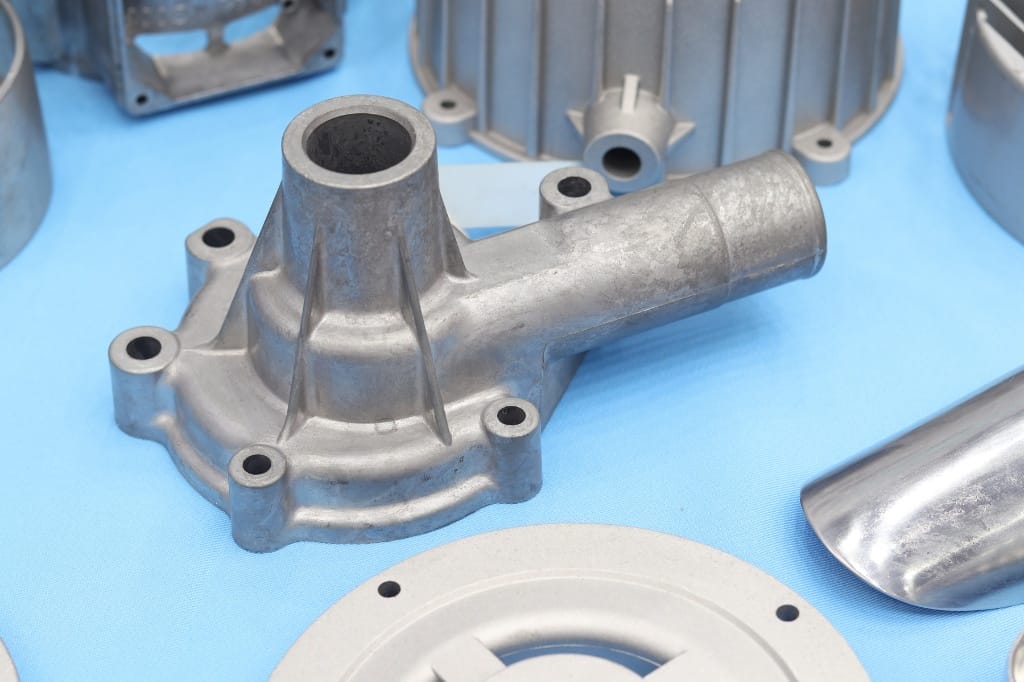
The industry's shift in the direction of aluminum shows a broader trend of focusing on lasting techniques and cost-effectiveness. Significant airplane makers have significantly adopted aluminum alloys, which integrate strength and ductility, making them ideal for vital architectural parts. The recyclability of aluminum lines up with ecological campaigns, making it a preferred choice for modern aircraft. On the whole, aluminum's one-of-a-kind features and advantages solidify its setting as a foundation in the future of aerospace manufacturing.
Improvements in Aluminum Casting Techniques
While conventional techniques of aluminum casting have actually served the sector for decades, current innovations have actually changed the method aluminum elements are produced. Innovations such as high-pressure die casting and 3D printing have improved precision and reduced manufacturing times. High-pressure die casting permits thinner walls and even more complicated geometries, assisting in the development of lightweight components without endangering toughness. 3D printing technology makes it possible for fast prototyping, allowing producers to examine layouts extra successfully and adjust to changing requirements. In addition, developments in alloy solutions have led to enhanced mechanical residential or commercial properties, enabling the manufacturing of components that fulfill strenuous aerospace and vehicle requirements. These methods not just raise efficiency yet likewise lessen waste, sustaining lasting production techniques. As these developments continue to progress, they guarantee to additionally improve the capabilities of aluminum casting, placing it as a vital gamer in contemporary manufacturing across numerous sectors.
Lightweight Solutions for Automotive Performance
The pursuit of lightweight options has actually ended up being a focal factor in automotive performance, driven by the demand for improved gas performance and reduced emissions. Automakers are significantly turning to aluminum as a primary material in vehicle layout, profiting from its beneficial strength-to-weight ratio. Technologies in aluminum foundry procedures have actually allowed the manufacturing of elements that are not only lighter yet also a lot more long lasting.
Advanced casting strategies enable makers to develop intricate forms that maximize structural integrity while reducing weight. In addition, the integration of aluminum in vital areas, such as engine elements and framework, significantly influences total car dynamics and managing.
As manufacturers strive to satisfy regulative standards and customer assumptions, the shift in the direction of light-weight materials proceeds to gain energy. This pattern not only enhances lorry efficiency but additionally settings aluminum as a principal in the advancement of the automobile sector, leading the method for more dexterous and effective cars.
Sustainability and Ecological Influence of Aluminum
The sustainability of aluminum production is progressively identified for its substantial recycling benefits and lowered carbon footprint. By utilizing recycled aluminum, shops can decrease power consumption and greenhouse gas emissions. This method not just supports environmental objectives but also improves financial performance in the production procedure.
Recycling Aluminum Conveniences
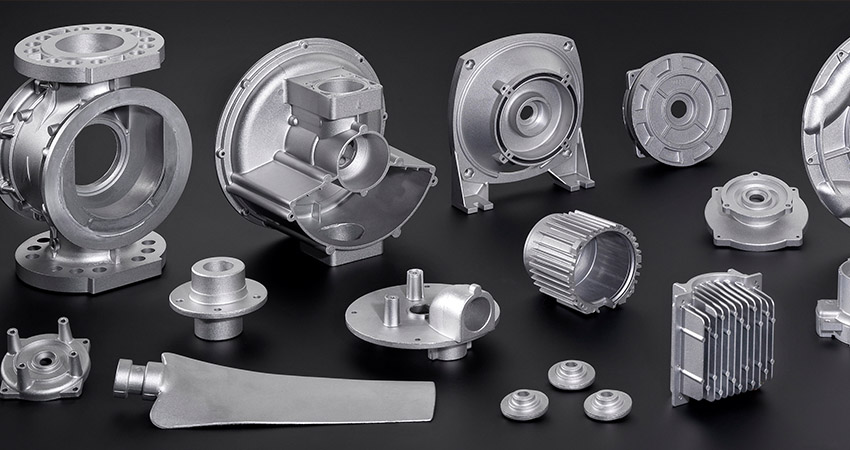
Many industries acknowledge the substantial advantages of recycling aluminum, specifically regarding sustainability and ecological influence. Reusing aluminum calls for just 5% of the energy needed to produce brand-new aluminum from basic materials, considerably minimizing power consumption. aluminum casting. This procedure additionally decreases greenhouse gas emissions, adding to a much healthier setting. In enhancement, recycling aluminum diverts waste from land fills, advertising reliable source management. The lightweight nature of aluminum enhances fuel efficiency in transport, additional showing its eco-friendly advantages. Furthermore, recycled aluminum keeps its top quality, making it a versatile choice for various applications across aerospace, automobile, and modern technology markets. Inevitably, the recycling of aluminum not only conserves sources but also supports a round economic climate, cultivating sustainable practices within manufacturing sectors
Lowering Carbon Footprint
While markets progressively focus on sustainability, reducing the carbon impact connected with aluminum production has actually ended up being a vital focus. Current advancements in aluminum foundry modern technology purpose to decrease exhausts throughout the manufacturing process. Making use of renewable resource sources, such as solar and wind, significantly decreases greenhouse gas discharges contrasted to conventional fossil fuel-based approaches. Furthermore, improvements in reusing techniques improve the performance of redeeming aluminum, additional lowering the need for primary production and its connected environmental influence. Implementing closed-loop systems in factories permits the reuse of products, resulting in lower power consumption. As suppliers across markets welcome these developments, the aluminum market is placing itself as a leader in lasting methods, adding to international efforts to deal with climate modification.
Innovations in Aluminum Alloys and Materials
Recent improvements in aluminum alloys have actually concentrated on creating light-weight products that boost efficiency without endangering stamina. Technologies in alloy structures are additionally boosting corrosion resistance, making aluminum much more sturdy in numerous applications. These breakthroughs are transforming the production landscape, enabling more sustainable and efficient manufacturing methods.
Lightweight Alloy Dopes
As sectors remain to seek products that enhance performance while decreasing weight, innovations in light-weight aluminum alloys are getting significant attention. These advanced alloys include enhanced compositions that enhance strength-to-weight ratios, permitting extra effective styles in aerospace, auto, and technology sectors. Researchers are establishing aluminum-lithium and aluminum-magnesium alloys, which give boosted mechanical homes while maintaining reduced density. Such advancements help with the production of components that add to power performance and reduced emissions. Additionally, the unification of nanomaterials and progressed handling methods is further pressing the boundaries of what light-weight aluminum alloys can achieve. Generally, these growths stand for a vital action towards fulfilling the demands for lasting production techniques without jeopardizing performance.
Improved Corrosion Resistance
Cutting-edge approaches to improving deterioration resistance in aluminum alloys are transforming their applicability throughout different sectors. Current developments entail the development of brand-new alloy compositions and surface area therapies that significantly enhance resilience versus ecological variables. The consolidation of components such as magnesium and lithium has actually produced alloys that display premium resistance to both pitting and stress and anxiety deterioration fracturing. In addition, coverings and plating procedures are being improved to provide an extra layer of protection, guaranteeing durability in extreme problems. This emphasis on corrosion resistance not just enhances the performance of aluminum elements however likewise decreases maintenance costs, making them a lot more appealing for markets such as aerospace, vehicle, and technology. These developments guarantee to expand the range of aluminum applications in demanding environments.
Situation Researches: Success Stories in Technology Production

Another study entails a start-up specializing in drone innovation. By making use of aluminum pass away casting methods, the firm attained rapid manufacturing cycles and lowered waste, substantially decreasing their functional prices. This technology allowed them to compete properly in a hectic market.
Additionally, a significant computer maker implemented aluminum extrusions for warm sinks, optimizing cooling performance while lessening try here weight. These success tales illustrate exactly how aluminum foundry technologies are driving performance, sustainability, and competition in the tech field, leading the means for more improvements in manufacturing procedures.
The Future of Aluminum Foundry Technologies
The developments in aluminum foundry technologies are positioned to shape the future of manufacturing throughout different industries. Developments such as automated casting processes, advanced alloy structures, and improved reusing techniques are leading the means. These technologies provide enhanced effectiveness, decreased waste, and exceptional item high quality, dealing with the growing need for sustainable manufacturing techniques.
Arising techniques, such as 3D printing and expert system, are also being integrated into foundry operations, optimizing style and production workflows. Making use of anticipating analytics allows suppliers to anticipate upkeep demands, minimizing downtime and associated prices.
As markets progressively prioritize light-weight products for enhanced performance and energy efficiency, aluminum continues to be a principal. The harmony between advanced technologies and traditional approaches will likely drive the evolution of aluminum shops, positioning them as vital factors to the aerospace, automotive, and tech markets in the years ahead.
Regularly Asked Inquiries
What Are the Prices Connected With Aluminum Foundry Innovations?
The expenses associated with aluminum foundry technologies include first investment in click this link innovative innovations, continuous maintenance expenses, labor force training, and potential boosts in resources costs, influencing overall production budgets and productivity in different making industries.
Just How Does Aluminum Compare to Various Other Metals in Production?
Aluminum uses benefits like lightweight buildings, rust resistance, and excellent machinability contrasted to various other metals, such as steel or titanium. These functions make it significantly favored in numerous manufacturing fields, enhancing performance and performance in production procedures.
What Industries Are Embracing Aluminum Foundry Technologies?
The aerospace, vehicle, and innovation markets are progressively embracing aluminum foundry technologies, driven by the material's light-weight homes, deterioration resistance, and cost-effectiveness, enabling enhanced performance and performance in producing processes across these sectors.
Exist Specific Accreditations for Aluminum Utilized in Aerospace?
Yes, there specify certifications for aluminum utilized in aerospace, including AS9100 and AMS specifications. These standards guarantee high quality, safety, and integrity, necessary for aerospace applications, and are extensively acknowledged within the sector.
How Is Aluminum Recycling Adding To Production Advancements?
Aluminum recycling greatly boosts manufacturing improvements by reducing energy usage, reducing expenses, and minimizing environmental influence. This sustainable practice cultivates development in processes and products, making sure a round economic situation useful for numerous markets, including aerospace and auto.
As the aerospace market looks for to boost efficiency and gas performance, aluminum has emerged as a crucial product in aircraft production. While traditional methods of aluminum casting have actually offered the sector for decades, current advancements have transformed the method aluminum elements are generated. Reusing aluminum needs only 5% of the power required to generate brand-new aluminum from raw materials, considerably minimizing power usage. As industries proceed to seek products that enhance performance while decreasing weight, innovations in lightweight aluminum alloys are acquiring significant interest. Aluminum reusing significantly improves manufacturing advancements find out by minimizing energy intake, decreasing costs, and minimizing environmental effect.